The Top 10 Most Wasted Gifts in America
Originally published on Substack
“It’s the thought that counts.” That’s what we tell ourselves when someone opens our gift, pauses for a few more seconds than normal, and says, “Oh wow... you shouldn’t have.” Usually, that means we really shouldn’t have.
Two years ago, a Finder article forecasted that more than half of American adults were expected to receive at least one unwanted gift. That’s roughly 140 million people and an estimated $10.1 billion spent on unwanted gifts. [1] And unwanted gifts don’t always disappear into the back of a closet. In a 2025 survey of more than 2,000 American consumers, 65% said they had returned a gift during the holiday season, while 54% admitted to regifting items. Nearly 1 in 5 had even pretended to like or use a gift in front of the giver to avoid an awkward situation. [2]
It begs the question: What are we buying each other that people don’t actually want?
Looking at the data in the Finder article, there isn’t one perfect national ranking of the ten most wasted individual gifts, so this list pulls from research on gifts Americans report as unwanted and gifts that frequently get returned. I was curious to see how these numbers match my own experience.
#10: Books

I love books so this one is really sad. And as an avid reader, it hurts a little. But books are personal. Just because you loved a 400-page book on productivity doesn’t necessarily mean your cousin wants to spend her Christmas break reading it.
Literature accounted for about 15% of unwanted gift categories in Finder’s 2024 forecast. A book can be incredibly thoughtful when you know what someone likes. But when you don’t know what someone likes, it’s a gamble.
#9: Music

Just because someone loves music doesn’t necessarily mean they love the same kind of music you love, or that they even care to take the time to listen to it. Music also represented about 15% of the unwanted gift categories in Finder’s forecast.
This one feels especially interesting in a world where so much music is available through streaming. Physical gifts such as CDs or vinyl records are cute and can seem perfect, but they may not have quite the same value to the person receiving them.
#8: Food & Drink

Food used to feel like the ‘safe’ gift. But with the increase in allergies, dietary restrictions, favorite flavors, least-favorite flavors, and new fad diets, food has become very tricky. Food and drink accounted for about 17% of the unwanted gift categories in Finder’s forecast.
#7: Toys & Games
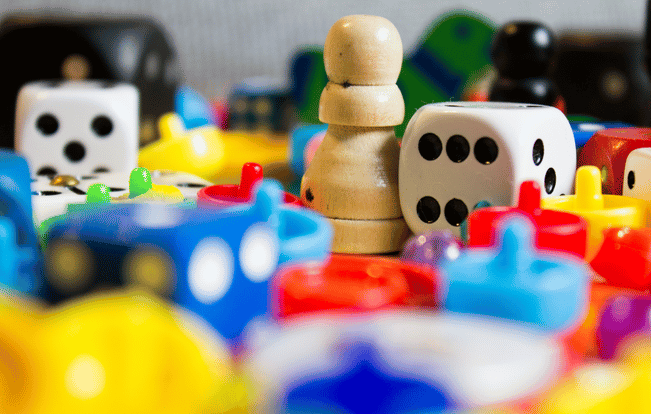
If you’ve ever been to a child’s birthday party, you know exactly how this happens. One child has about thirty guests, and each of those guests brings a present, leaving the child with 30 presents, some of which are duplicates.
Toys are one of the reasons I started thinking differently about gifting in the first place. I love giving my godchildren gifts. But after enough birthdays and holidays, I started wondering how many toys one kid actually needs. And how each parent could put all those kind acts of generosity from their family and friends to good use.
That’s how Endowe was born.
#6: Shoes”
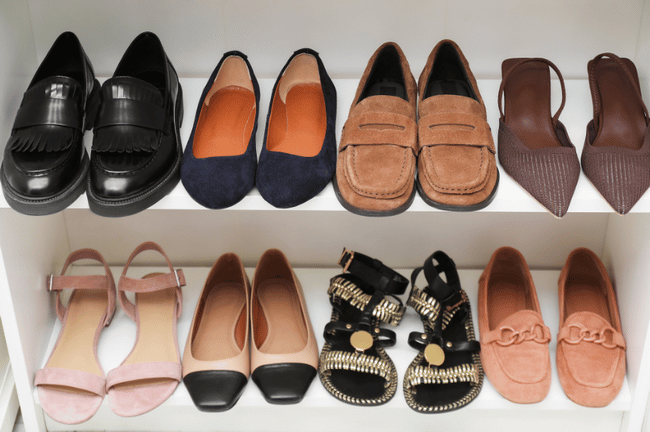
Anyone who has ever bought shoes knows that just because a shoe size says it’s your size doesn’t mean the shoes are going to fit. It is no surprise that shoes were among the most returned categories in consumer research on holiday gift returns. [2]
I think shoes are also personal. You need to get the correct size, fit (i.e., wide, narrow, etc.), style and color. All that means is there are more ways to get it wrong.
#5: Electronics & Gadgets
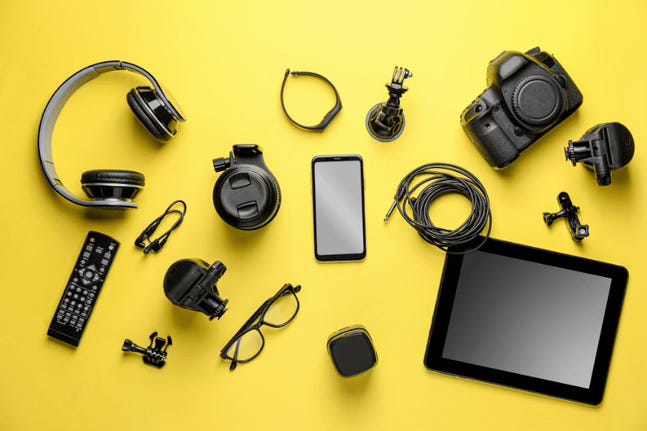
We’re entering the ‘more expensive’ gift territory now. These include electronics like headphones, smart-home gadgets, phone accessories, gaming accessories, or the random funny new electronic thing that looked amazing in that TikTok video.
Technology represented about 25% of unwanted gifts. The problem with buying technology for someone else is that the recipient may already have something similar, use a different ecosystem, or simply not want the gadget you thought they needed. Unless someone tells you the specific gadget to gift them, it is really hit or miss.
#4: Cosmetics & Fragrances
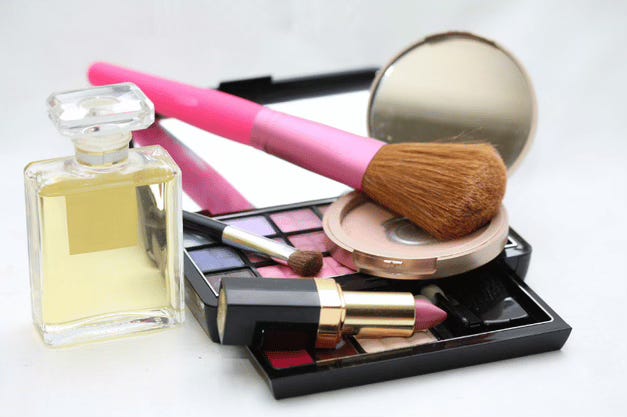
As we climb higher on the list, these wasted gifts are getting more personal. Scents are very personal, and so are makeup shades and skincare products. Cosmetics and fragrances accounted for about 26% of unwanted gift categories.
You might spend $100 on a beautiful bottle of perfume, but if the recipient doesn’t like the smell, they are not going to use it. It is an unwanted gift that will either get returned or, worse, forgotten at the back of a cabinet. Sadly, the price doesn’t automatically make the gift valuable to the person receiving it.
#3: Household Items

I think home décor might be one of the boldest gifts we give each other. It’s like you’re saying: “I have assessed your personal aesthetic, and I believe this decorative vase belongs in your living room.” Sometimes you nail it, but most times you don’t, and the vase spends the next three years in a cabinet.
Household items accounted for about 33% of unwanted gifts. The more personal someone’s style is, the harder it becomes to guess what they actually want in their home.
#2: Accessories
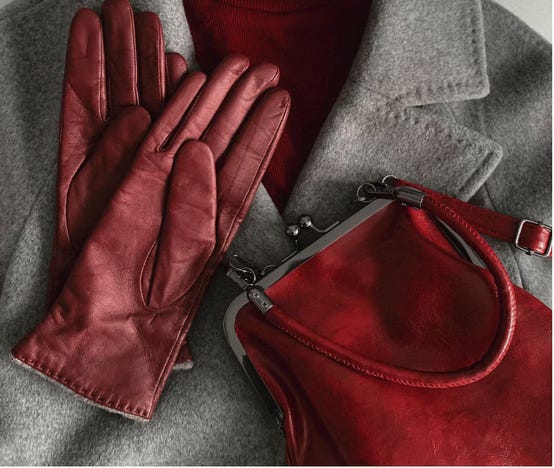
Accessories such as jewelry, handbags, hats, scarves, and sunglasses seem like the perfect gift because they are just a ‘small’ part of a person’s outfit. In reality, accessories are often used to define a person’s style, and that’s what makes them a risky gift choice.
Combined with clothing, accessories made up about 43% of the most commonly reported types of unwanted gifts.
However, I’m separating the category into two for this list because I think they fail for slightly different reasons. With accessories, you don’t have to guess someone’s size as often as you would with clothing. You just have to guess their taste.
#1: Clothing
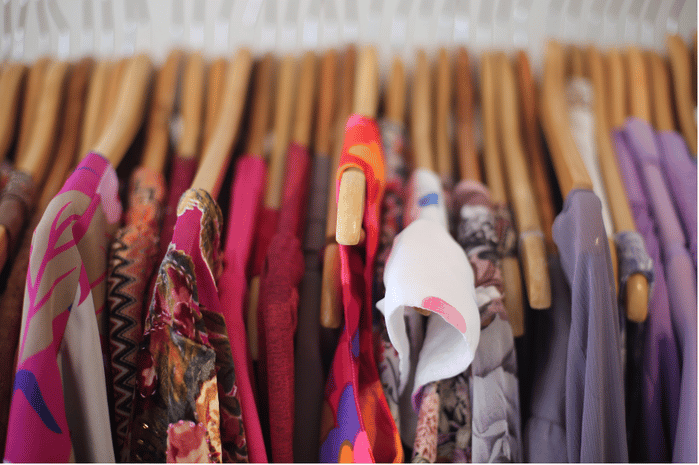
There are so many ways to go wrong with this one: wrong size, color, style, or maybe even all three. As I mentioned above, clothing and accessories made up 43% of unwanted gift categories in Finder’s forecast, making them the largest category in its data.
And more recent research tells a similar story. In Shorr’s 2025 survey of American consumers, clothing was by far the most returned product category, cited by about two-thirds of respondents. It was also the most returned holiday gift category, accounting for 65% of holiday gift returns reported in the study. [2] And the biggest reason people returned these clothing items overall was wrong size or fit.
Buying clothes for yourself can be hard enough. Now imagine doing that for someone else and expecting to get it right.
The Problem Isn’t the Gift, it’s the Guessing.
We spend billions of dollars trying to show people we love them. While we are very well-intentioned, guessing their size, favorite scent, what will look good in their house, what their kids need, or what they’ll actually use often leads to returned or unused gifts.
That is quite literally why registries exist. You can read more on this in my blog post: Gift Registries: Awkward, Useful, And Not Going Anywhere. Instead of making everyone guess, you tell the people in your life what would actually be meaningful to you.
And that’s part of the thinking behind Endowe. And instead of another sweater, toy, candle, gadget, or perfume, your loved ones contribute toward investments selected for you or someone you love.
What If We Gave Fewer More Meaningful Things?
As a godmother, this is the question that weighed on my mind for a long time. I love buying presents for my godchildren, so I’m definitely not suggesting we cancel toys, books, or birthday presents. There is something special about watching a kid tear open wrapping paper and immediately start playing with what’s inside.
But does every gift have to be another thing? What if one birthday gift was an investment? Or one Christmas gift? Or even one graduation gift?
I don’t think we need to stop giving people things they can enjoy today. Maybe we just make a little more room for gifts that are meant for tomorrow.
With lots of love,
Your godmother Ada
Disclaimer: As someone in finance as a regulated investment professional, I want to be clear: I’m not your financial adviser, and this post is education, not personalized advice. All investments carry risk including possible loss of principal, and past performance doesn’t guarantee future results. Talk to a professional who knows your full situation before making money moves.