
High Prices, Full Carts
The Psychology Behind Holiday Spending.
Originally published on Substack
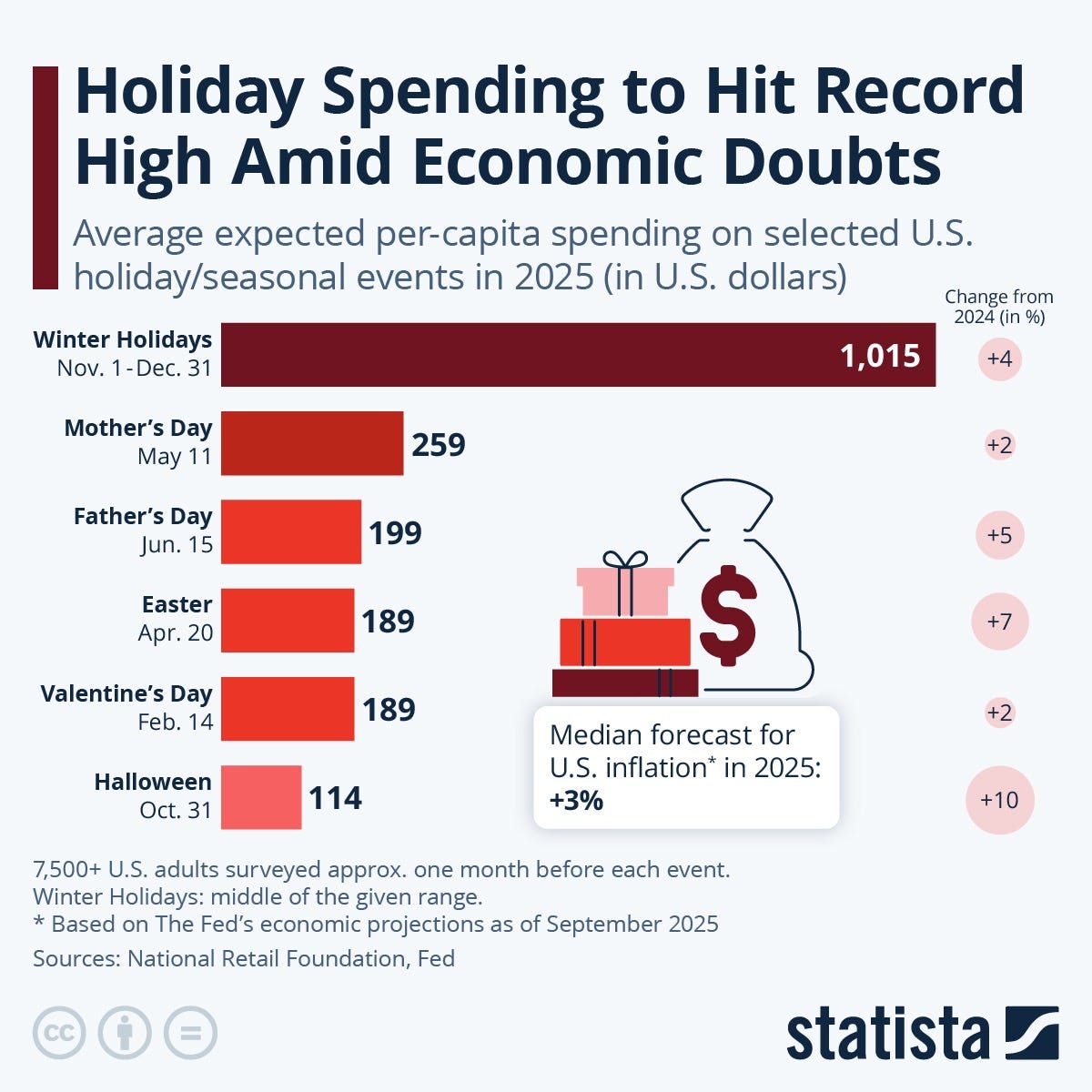
This year seems no different from last year. Malls are crowded, online carts are full, and holiday spending surges.
Despite persistent inflation and cost-of-living anxiety, U.S. consumer spending has remained surprisingly strong heading into the holiday season. At first glance, it feels contradictory. If everything costs more, why are people still spending?
The answer lies at the intersection of economics, psychology, and tradition and it tells us something important about how families think about money during moments of uncertainty.
Strong Growth, Stubborn Prices
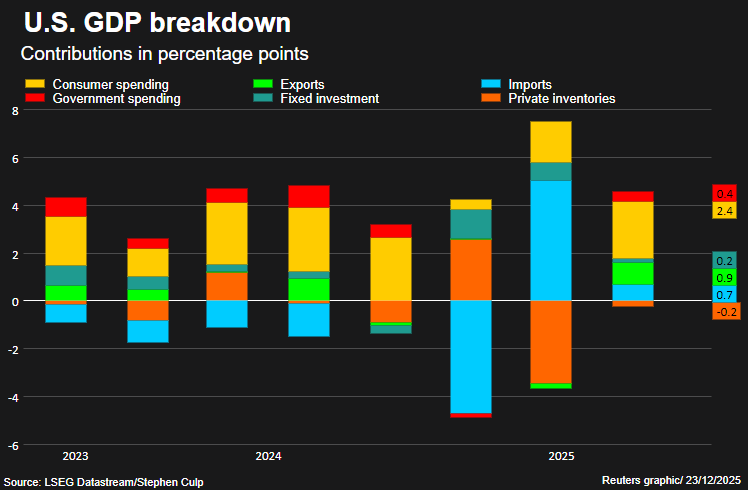
Recent economic data shows that the U.S. economy entered the end of the year with more momentum than many expected. Economic growth remained solid, powered largely by consumer spending which is the single biggest engine of the U.S. economy.
While price growth has slowed, everyday prices for groceries, housing, insurance and transportation remain higher than they were just a few years ago.
This creates a strange tension:
The economy looks great on paper but households still feel pressure in real life.
Sadly, both things can be true at the same time.
Why Consumer Spending Is Still High
1. Consumer spending isn’t evenly distributed.
One of the most important and least talked-about dynamics right now is who is doing the spending.
Higher-income and older households, many of whom built savings during earlier years or benefited from rising asset values, continue to spend relatively freely. Meanwhile, lower-income households are far more cautious, often pulling back or shifting spending toward essentials.
When spending data is aggregated, the strength of higher-income consumers can mask the stress felt elsewhere.
2. The holidays are emotional, not rational.
Holiday spending has never been rational. Gift-giving is tied to:
Identity
Tradition
Family expectations
Love and belonging
When people feel uncertain about the future, they often lean into emotional spending rather than away from it. Psychologically, spending during the holidays can feel like reclaiming normalcy or control, even when budgets are tight.
This is why many people cut back quietly in other months, only to loosen the reins in December.
Why Inflation Doesn’t Stop Holiday Spending
Inflation changes prices but it doesn’t erase rituals.
There are a few reasons higher prices don’t immediately slow holiday spending:
Budgets are set early: Many households plan holiday spending months in advance, mentally locking in expectations.
Short-term joy outweighs long-term caution: People prioritize immediate emotional value during stressful times.
Retail incentives lower friction: Promotions, buy-now-pay-later options, and discounts smooth over price resistance.
Inflation may reshape how people spend, but not whether they spend.
The Hidden Cost Beneath the Headlines
Strong consumer spending doesn’t mean the absence of risk.
Under the surface:
Credit card balances are higher.
Financial anxiety remains elevated.
Many households are relying on short-term coping mechanisms.
Spending can remain strong even while households quietly take on more debt or dip into savings.
That’s the contradiction of the moment: resilience at the store register doesn’t always mean stability in the long run.
A Thoughtful Close for the Season
This holiday season brings both generosity and uncertainty. People want to give freely even though money feels more fragile and every dollar does less.
That tension invites a simple question:
Do our gifts create momentary joy, or lasting impact?
The holidays have always been about more than transactions. They’re about care, hope, and belief in what’s ahead. And in a year where spending stayed strong despite higher prices, the real opportunity isn’t to spend more. I think it’s to spend with intention.
Not all gifts fade.
At Endowe, we believe generosity doesn’t have to be short-lived. With intention, it can become something lasting, quietly, patiently, and powerfully.
Cheers to thoughtful giving and a future worth investing in!
With lots of love,
Your godmother Ada