
Gift Registries: Awkward, Useful, And Not Going Anywhere
(3 minutes read)
Originally published on Substack
If you googled “the history of gift registries,” you’d find a plethora of articles telling stories about urbanization, social pressure, generosity, life milestones, and our complicated relationship with giving.
Where Gift Registries Began
Gift registries in the United States first appeared in the early 20th century, alongside the rise of large department stores and urban living.
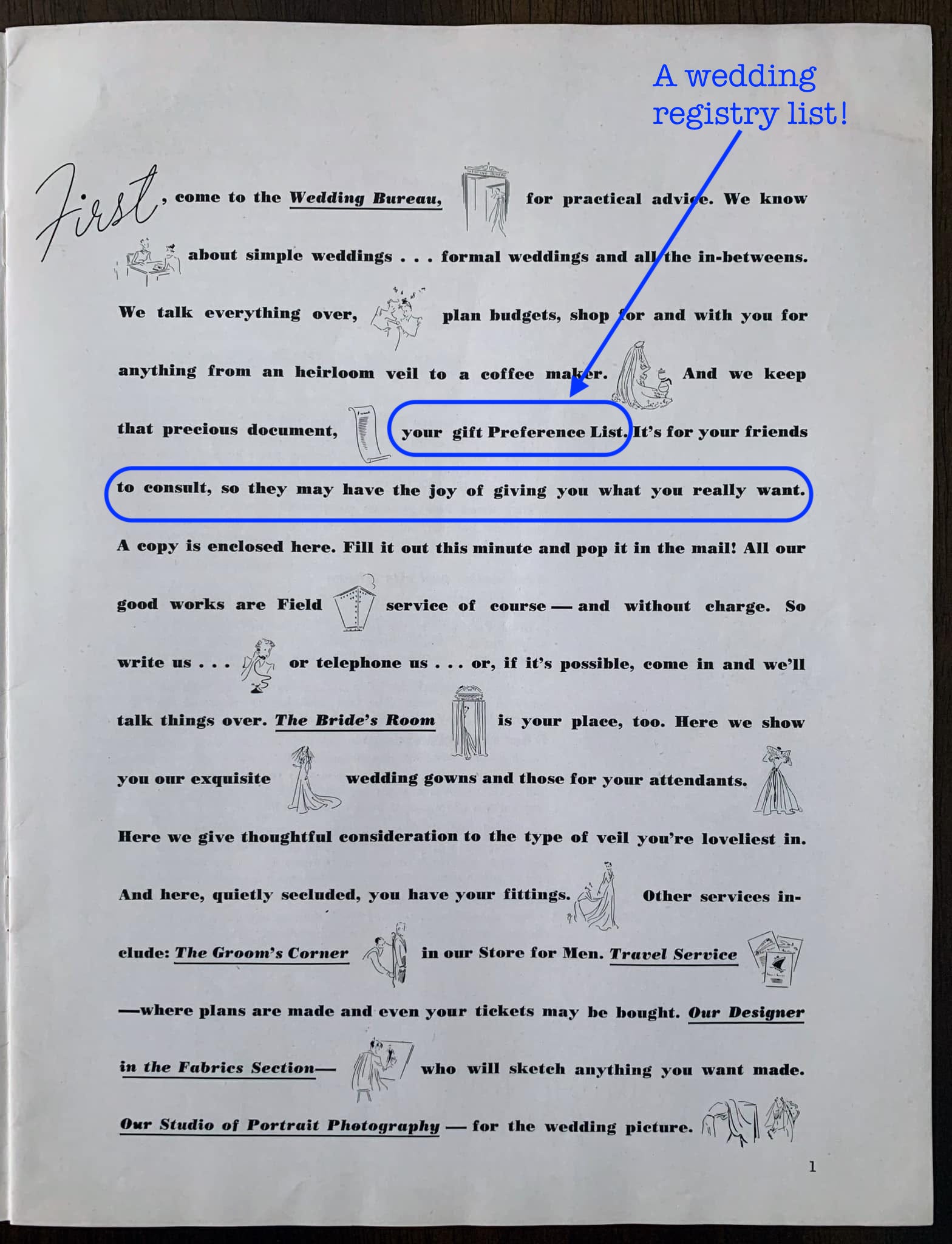
In 1924, Marshall Field’s (Chicago) is widely credited with launching the first formal wedding registry. Other department stores like Macy’s and Bloomingdale’s soon followed.
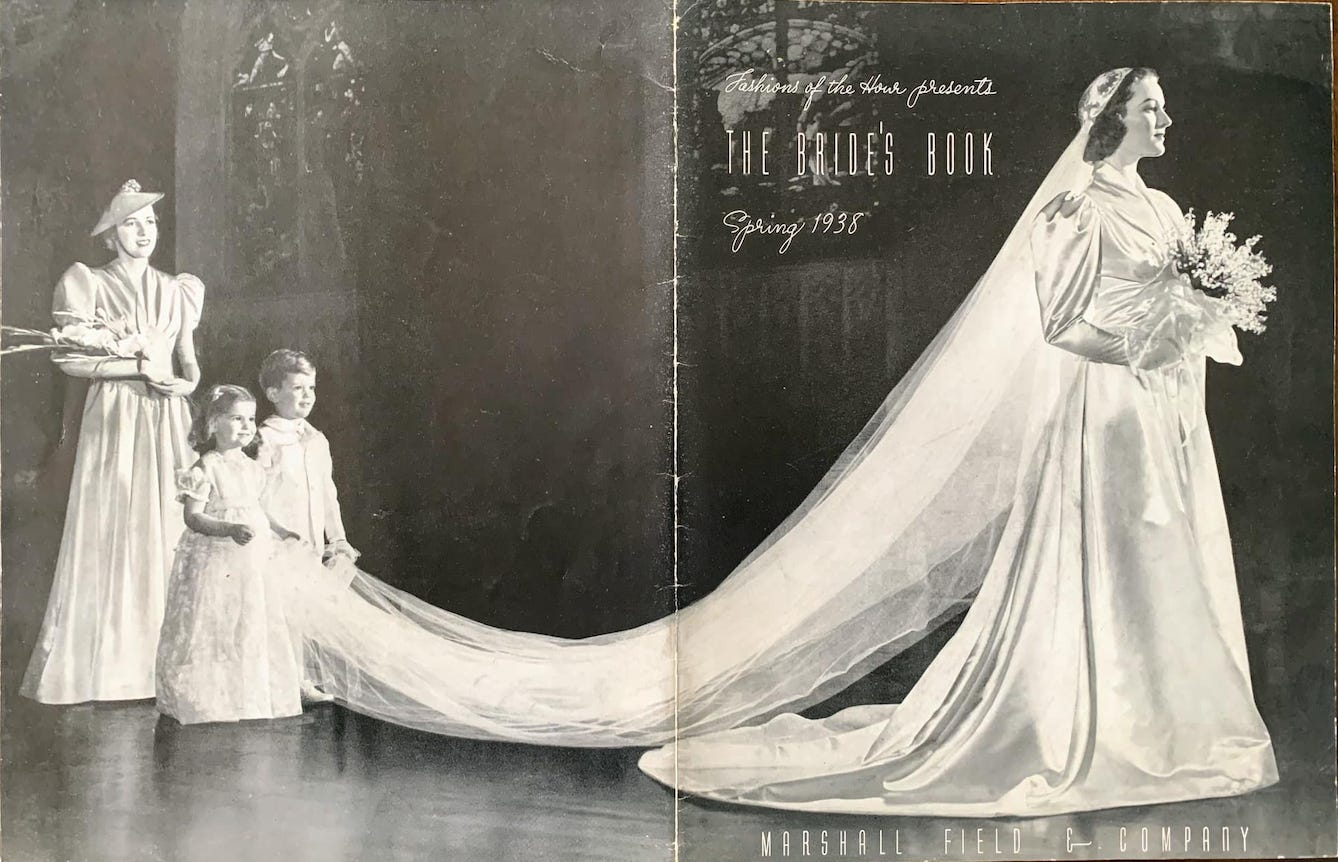
This wasn’t about upselling. It was a practical solution to prevent duplication. As couples moved into smaller urban apartments and became more geographically dispersed, they wanted wedding guests to know what items they’d already received. No one wanted multiple sets of identical china or redundant cookware.
The gift registry became a coordination tool.
It helped guests give something useful and helped couples avoid waste.
Baby Registries: A Later Addition (1980s–1990s)
Baby registries are surprisingly much newer than wedding registries. They gained popularity in the late 20th century.
Child-rearing became more specialized. Baby products multiplied rapidly and new parents faced higher upfront costs. Family and friends wanted to help but often had no idea what new parents actually needed.
Enter a practical solution to guide willing helpers: the baby registry.
Beyond the US, Registries Solve a Universal Problem
While formal registries are a Western invention, registry-like customs exist globally. Practices vary by country and community, but the function is strikingly similar.
East Asia: Cash gifts are customary for weddings, with socially understood amounts that signal respect, status, and reciprocity.
South Asia: Wedding gifts (often gold, cash, or household items) mark life transitions and family alliances, guided by strong social norms.
Europe: Registries evolved from household lists to cash-focused gifting, prioritizing practicality and utility over sentimentality.
Africa: Gift-giving is deeply communal, often involving cash, goods, or collective contributions that support major life milestones and reinforce social bonds.
Across cultures, the pattern repeats:
Life milestone → social obligation to give → need for structure
Registries Today and their Emotional Weight
Over time, registries quietly picked up emotional weight. They’ve become unspoken social contracts.
Today:
Some people feel judged if they don’t give
Some feel judged by how much they give
Others feel pressure to participate in giving
Many want to give but fear getting it wrong
I believe that emotional tension is exactly why registries persist. They remain the most practical way to manage all that friction.
The Inevitable Truth: You’re Getting Gifts Anyway
Whether you love them or hate them, registries work because of one simple truth:
People are going to give something.
The question isn’t if gifts will come.
It’s what form will the gifts take on.
Without structure, that generosity often turns into clutter, duplicates, returns, gift cards, and unused items.
Why Registries Will Never Disappear
Registries don’t survive because of tradition.
They survive because they solve a problem that never goes away:
“How do we let people participate in each other’s lives without creating friction, waste, or awkwardness?”
Some etiquette experts argue that only weddings and baby showers truly “require” registries, but I think culture suggests otherwise.
As long as:
People want to show they care (or feel pressure to give)
others feel pressure to receive
and milestones keep happening
Registries will exist, in one form or another.
If registries are here to stay, we have the awesome opportunity to evolve what they enable.
What if registries didn’t just organize generosity…
but helped turn it into something lasting?
And yes, I’m definitely talking about Endowe. 😀
With lots of love,
Your godmother Ada